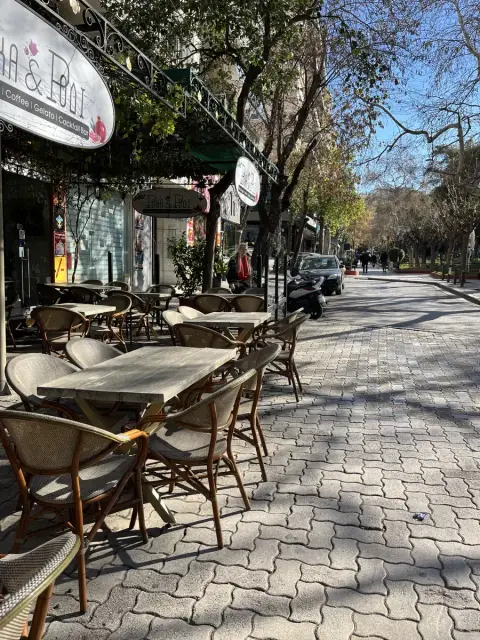
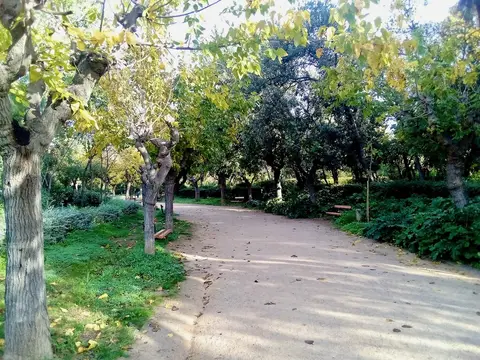
One of the things I like about staying in Kypseli is that you can simply start walking and find yourself discovering very different sides of Athens. This is one of those walks. It starts among the trees of Pedion tou Areos, takes you through an important piece of modern Greek history at the Athens Polytechnic, and ends thousands of years back in time at the National Archaeological Museum.
From Iou Street, Pedion tou Areos is about a 16-minute walk away. From Nireos Street, you can either walk (around 21 minutes) or hop on a trolley/bus along Patission and start your walk from the park.
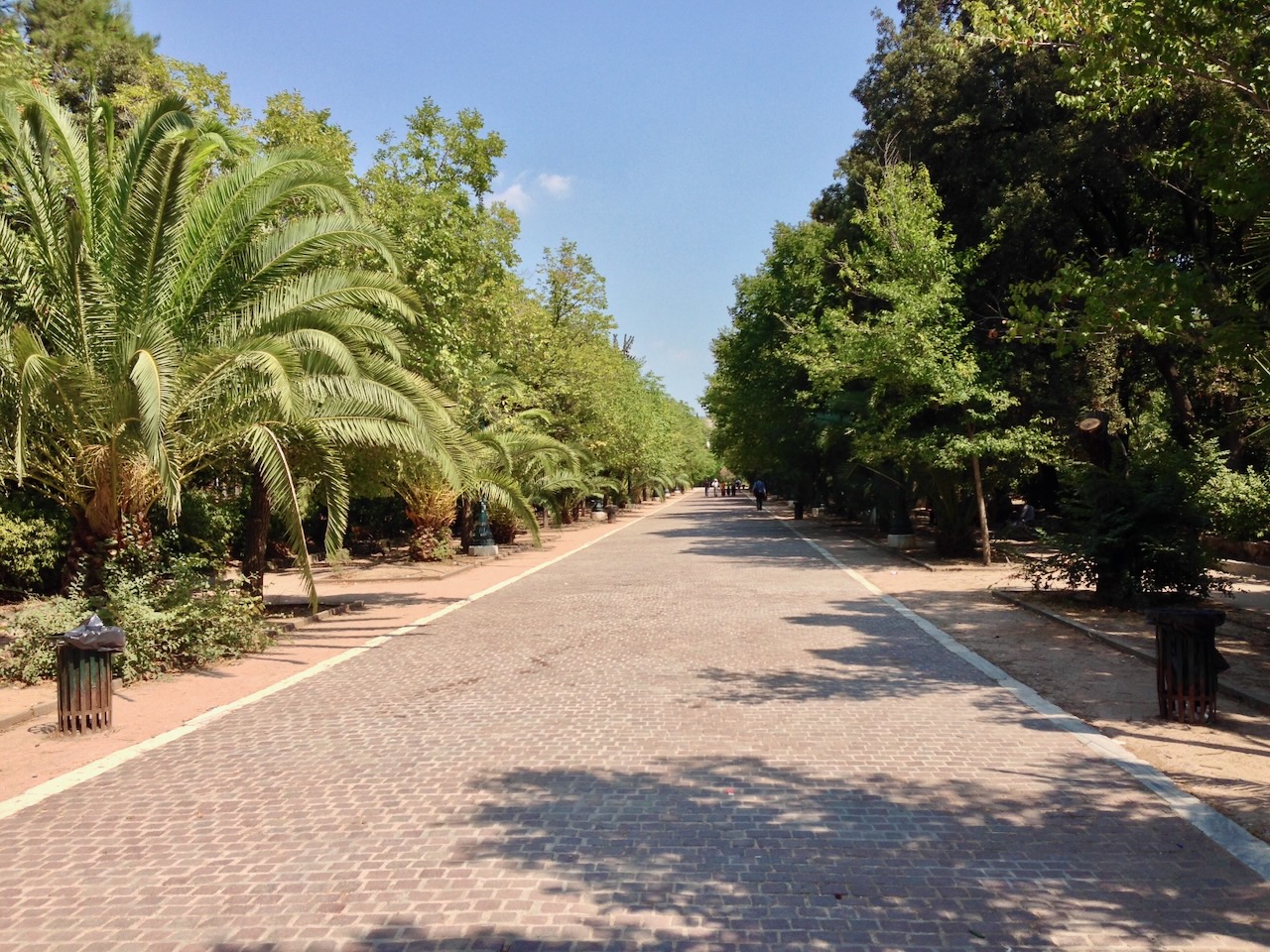
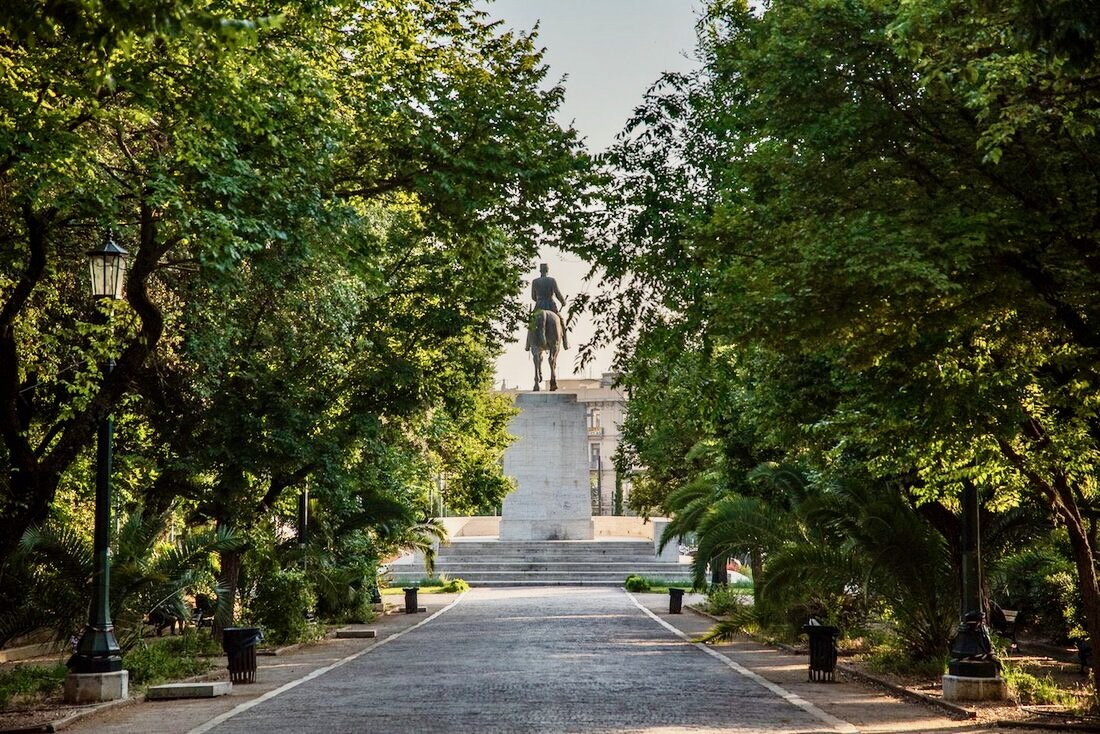
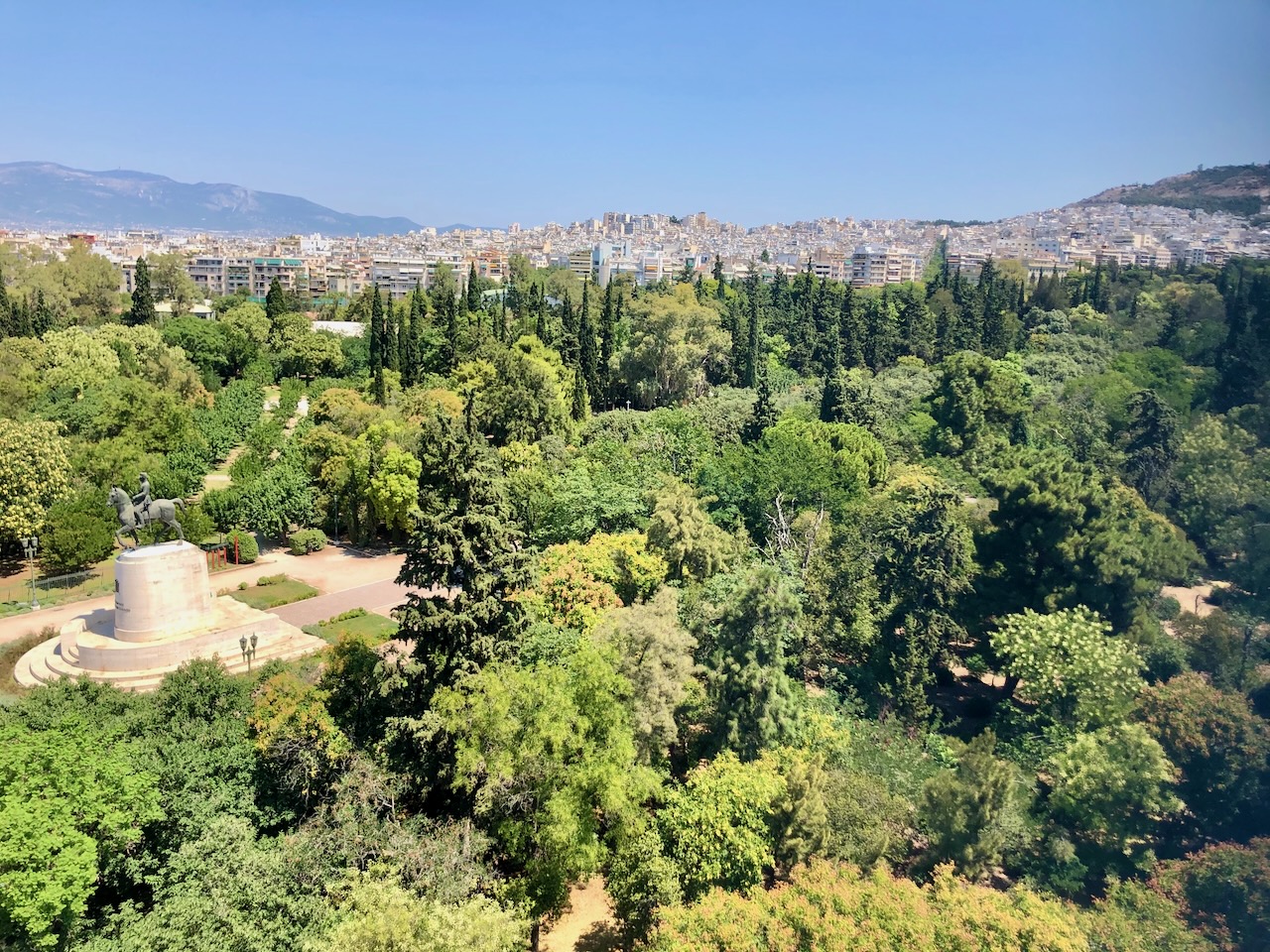
Pedion tou Areos — for a walk, a run or simply a green refreshing breath
When guests ask me where they can go jogging near Nireos or Iou Street apartments, I answer: at Pedion tou Areos. It's one of the largest green spaces in central Athens, with long paths beneath the trees that make it a welcome escape from the streets around it.
Throughout the year, the park hosts exhibitions, festivals, concerts and cultural events, so it's always worth checking what's happening during your stay. Recent events have ranged from the annual Book Festival to music and cycling festivals.
Check what's on at Pedion tou Areos →
From here, continue towards Patission Street and the Athens Polytechnic.
_00089.jpeg)
Athens Polytechnic — a piece of modern Greek history
Just next to the museum, you'll find the historic Athens Polytechnic on Patission Street. This was the centre of the student uprising against Greece's military dictatorship in November 1973. The occupation culminated during the night of 17 November, when a military tank broke through the Polytechnic's gate. The uprising remains one of the defining events of modern Greek history and is commemorated every year on 17 November. Inside the courtyard, opposite the historic gate, stands the memorial honouring the victims of the uprising.
This place also has a personal connection for me. While studying Fine Arts, I had some of my classes here, in the printing workshop of the old Polytechnic building.
The National Archaeological Museum is just next door, making it the natural final stop of the walk.
National Archaeological Museum — two things I would look for
The National Archaeological Museum is enormous, and you could easily spend hours inside. Rather than trying to tell you everything you should see, I'll tell you the two pieces that I personally wouldn't miss.
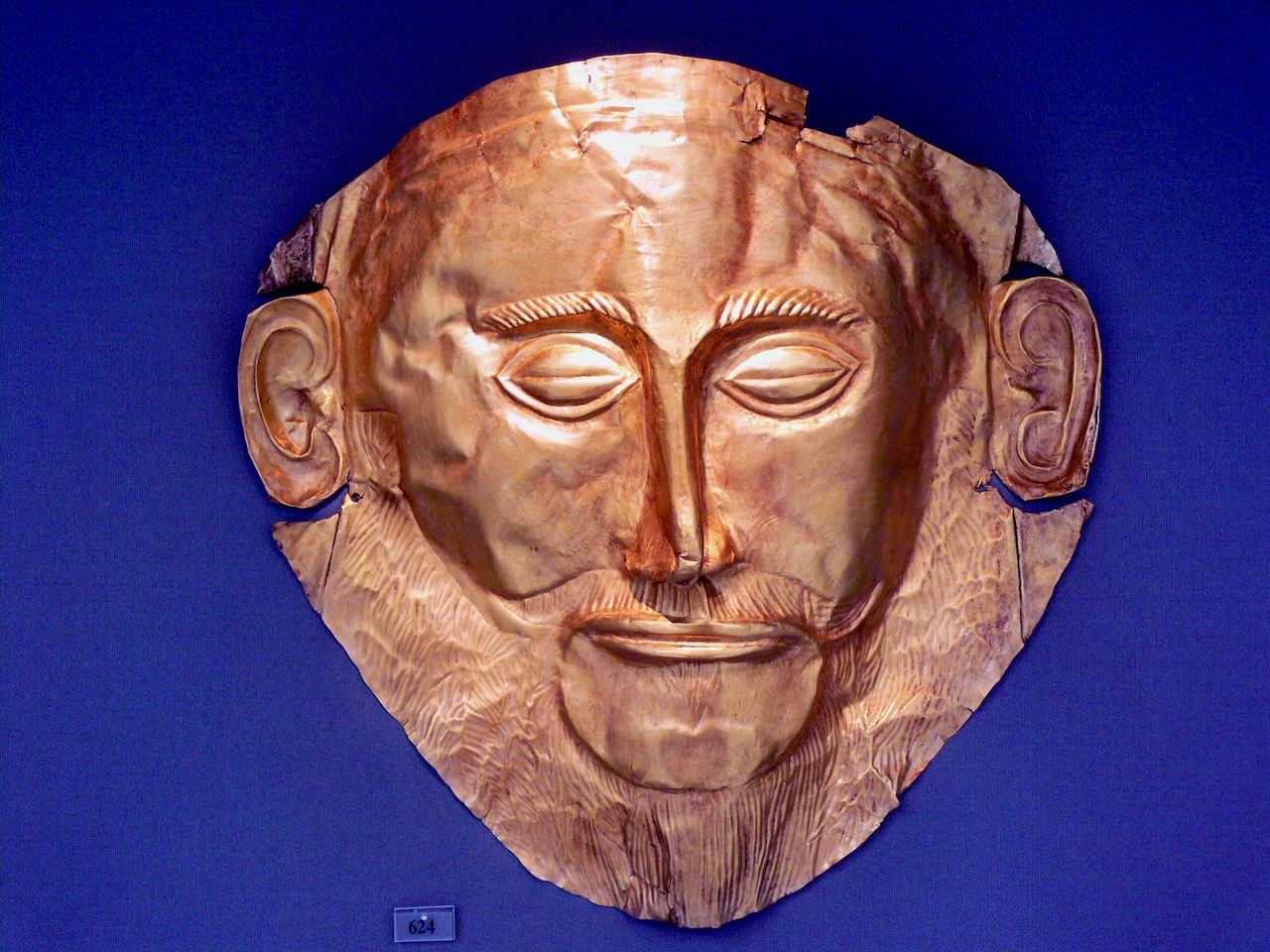
The Mask of Agamemnon
You've probably seen it in books before you ever come face to face with it. The famous golden funerary mask was discovered at Mycenae by Heinrich Schliemann in 1876. He believed he had discovered the face of Agamemnon, the legendary king associated with the Trojan War. The name remained, although the mask is now dated several centuries earlier than the traditional period associated with Agamemnon. Whatever its identity, seeing the original gold mask is something I wouldn't miss.
The Jockey of Artemision
And then there is one of my absolute favourites. A small boy racing on the back of an enormous bronze horse at full gallop.
The Jockey of Artemision is a large Hellenistic bronze sculpture recovered from the sea off Cape Artemision. What amazes me about it is the movement — the horse seems to be flying forward while the young rider clings to its back.
For something made more than two thousand years ago, it feels incredibly alive. It's spectacular.
.jpeg)
My personal note: The museum contains far more than these two works, of course. But if you're wandering through its enormous collection, these are the two I would tell you not to miss.
Before visiting the museum, check its official website for current opening hours and exhibitions.
One walk, very different sides of Athens
That's what I like about this route. You begin in everyday Athens, walking beneath the trees of Pedion tou Areos, continue through one of the most important places in Greece's modern democratic history, and finish thousands of years back in time at the National Archaeological Museum.